

Top 10 Best Places for Trekking in Vietnam
Vietnam is one of the best countries in Southeast Asia for trekking. From the rice terraces of the north to jungle trails, limestone mountains, and remote ethnic villages, the country offers a wide variety of landscapes for outdoor travelers. Some treks are easy day walks, while others take several days through mountain passes and isolated valleys.
If you enjoy nature, local culture, and spending time away from busy cities, these are some of the best trekking destinations in Vietnam.
1. Sapa
Sapa is the most famous trekking destination in Vietnam and usually the first place travelers think of. The area is known for its rice terraces, cool mountain air, and ethnic minority villages such as Cat Cat, Ta Phin, and Y Linh Ho.
Most treks in Sapa pass through valleys and small villages where local families still live and work much as they have for generations. For experienced hikers, Fansipan Mountain the highest peak in Indochina is also located here.
2. Ha Giang
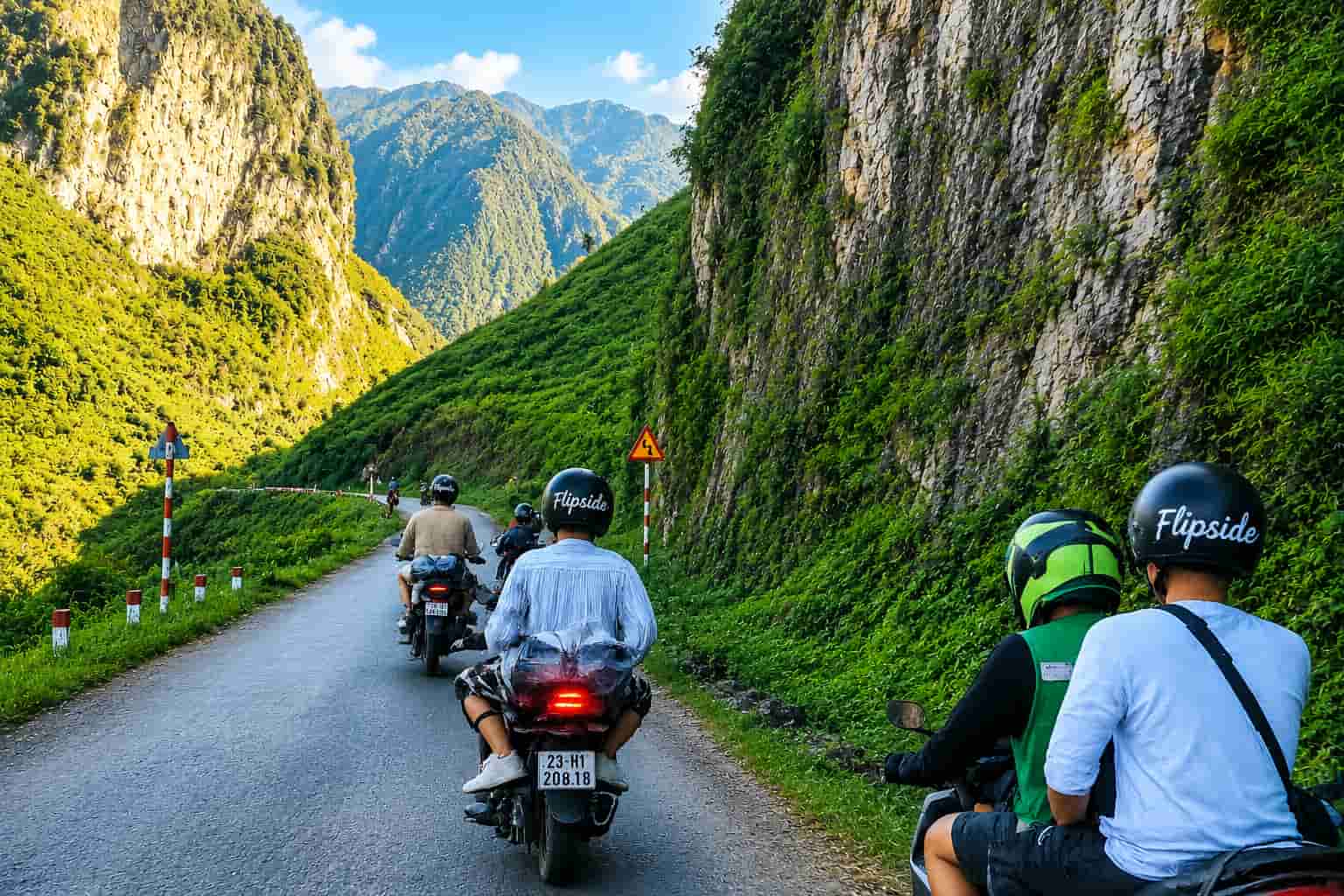
Ha Giang offers some of the most dramatic mountain scenery in Vietnam. The roads and trekking routes pass through deep valleys, limestone mountains, and remote villages close to the Chinese border.
Many travelers come for the Ha Giang Loop, but trekking allows you to see quieter areas that most tourists never visit. Places like Dong Van, Ma Pi Leng Pass, and Hoang Su Phi are especially beautiful during the rice season.
3. Pu Luong Nature Reserve
Located a few hours from Hanoi, Pu Luong is a good option for travelers looking for a quieter trekking experience. The area is filled with rice terraces, bamboo forests, streams, and small Thai and Muong villages.
The trekking here is not too difficult, making it suitable for most travelers. Many people combine trekking with homestays to experience local life more closely.
4. Cuc Phuong National Park
Cuc Phuong is Vietnam’s oldest national park and a great place for jungle trekking. The forest is home to ancient trees, caves, and a wide range of wildlife.
The walking trails are well marked, and you can choose between short nature walks or longer treks deeper into the forest. It is also one of the easiest national parks to visit from Hanoi.
5. Cat Ba Island
Cat Ba offers a different kind of trekking experience, combining jungle trails with views over Halong Bay. Trails inside Cat Ba National Park pass through forests, limestone hills, and viewpoints overlooking the sea.
Ngu Lam Peak is one of the most popular hikes and offers some of the best views on the island.
6. Bach Ma National Park
Located between Hue and Da Nang, Bach Ma National Park is known for its cooler weather, waterfalls, and mountain trails. Trekking here feels very different from northern Vietnam, with dense jungle and tropical scenery.
The Five Lakes trail is one of the highlights, especially during warmer months.
7. Ba Be National Park
Ba Be is a peaceful area in northern Vietnam centered around the country’s largest natural freshwater lake. Trekking routes pass through forests, caves, rivers, and small ethnic villages.
The area is less touristy than Sapa or Ha Giang, making it a good choice for travelers looking for a slower pace.
8. Phong Nha-Ke Bang National Park
Phong Nha is best known for its caves, but it also offers excellent trekking opportunities. Trails pass through jungle landscapes, rivers, and limestone mountains inside one of Vietnam’s most impressive national parks.
Some treks include visits to caves such as Hang En or Paradise Cave, while longer expeditions explore more remote parts of the park.
9. Cat Tien National Park
Cat Tien is one of the best places in southern Vietnam for wildlife and nature trekking. The park is home to birds, crocodiles, gibbons, and many native plant species.
Popular activities include jungle trekking, night safaris, and visiting Crocodile Lake.
10. Son Doong Cave
Son Doong is the largest cave in the world and one of Vietnam’s most unique adventure experiences. Located in Phong Nha-Ke Bang National Park, the cave contains underground rivers, huge cave chambers, and even its own rainforest.
Visits are limited and must be booked well in advance, but for many travelers it becomes the highlight of their time in Vietnam.
Tips for Trekking in Vietnam:
- Plan and Prepare: Before starting a trekking expedition in Vietnam, it’s important to make an itinerary, carry the right equipment, and investigate the route conditions. Ensure you have water, an insect repellant, a first aid kit, good shoes, and light clothes.
- Employ Local Guides: It is strongly advised to hire a local guide since they have extensive local expertise, can provide cultural insights, and can help to assure your safety during the walk. You may also use them to interact with ethnic minority groups and traverse through rural areas.
- Respect for Local Communities and the Environment: While hiking, respect the environment by leaving no trace and sticking to approved pathways. Ask for permission before visiting communities, observe local customs and traditions, and help the community by buying handcrafted items or booking homestays.
- Think about the Weather: Since Vietnam has a variety of weather patterns, it’s important to check the forecast before traveling. Be ready for humidity, rainfall, and temperature variations, particularly in mountainous areas.
- Physical Fitness: Hiking in Vietnam, especially in mountainous areas, may be physically taxing. Before trying longer or more difficult journeys, be sure your physical condition is excellent, and you have had the required training.
Vietnam has no shortage of great trekking destinations, from mountain valleys in the north to jungle trails and national parks further south. Each area offers something different, whether you are looking for remote villages, rice terraces, waterfalls, or multi day hiking adventures. With the right preparation, trekking in Vietnam can easily become one of the highlights of your trip.
If you’re planning a trip to Asia, take a look at our tours across 20 destinations in Asia or speak to one of our knowledgeable travel experts.